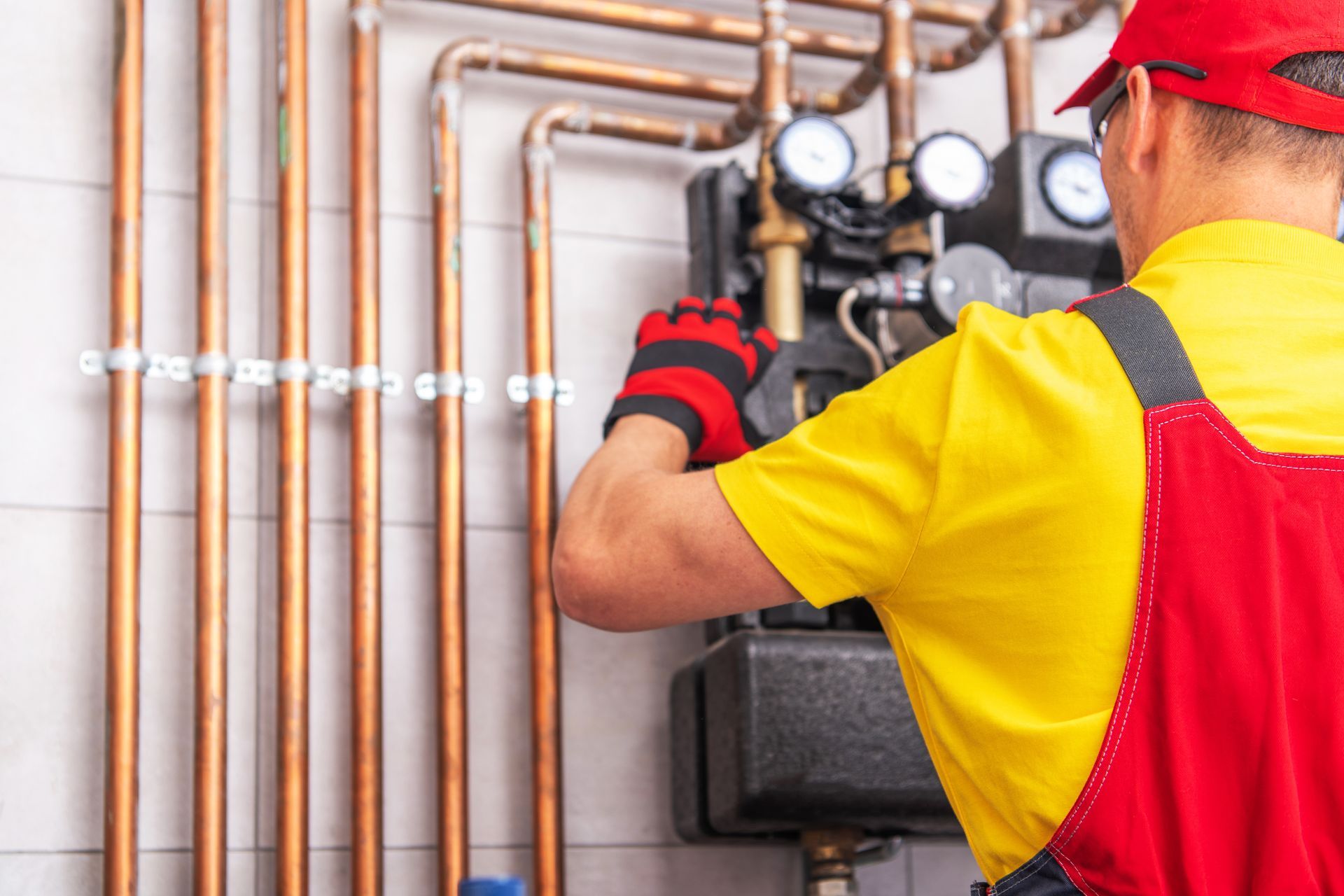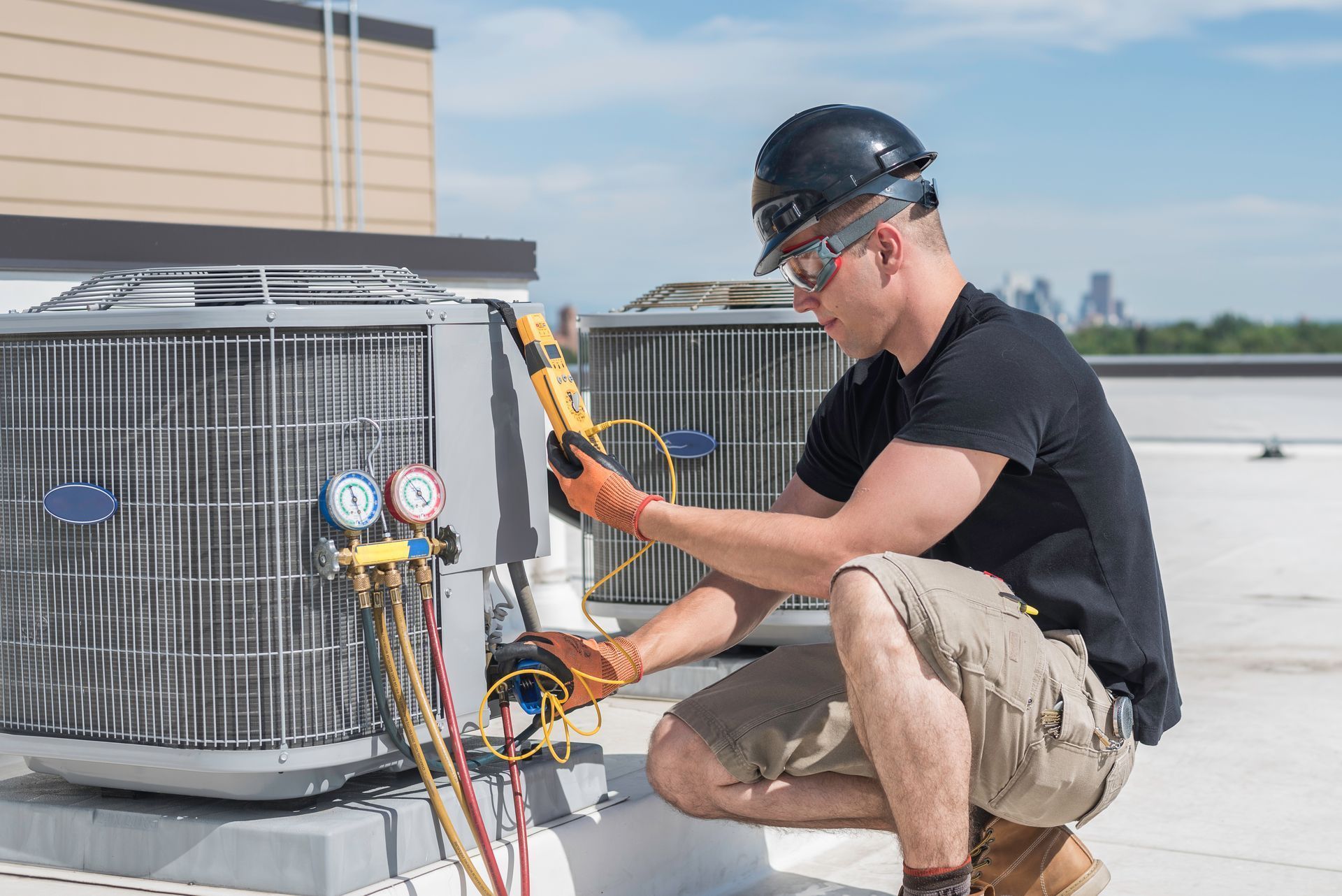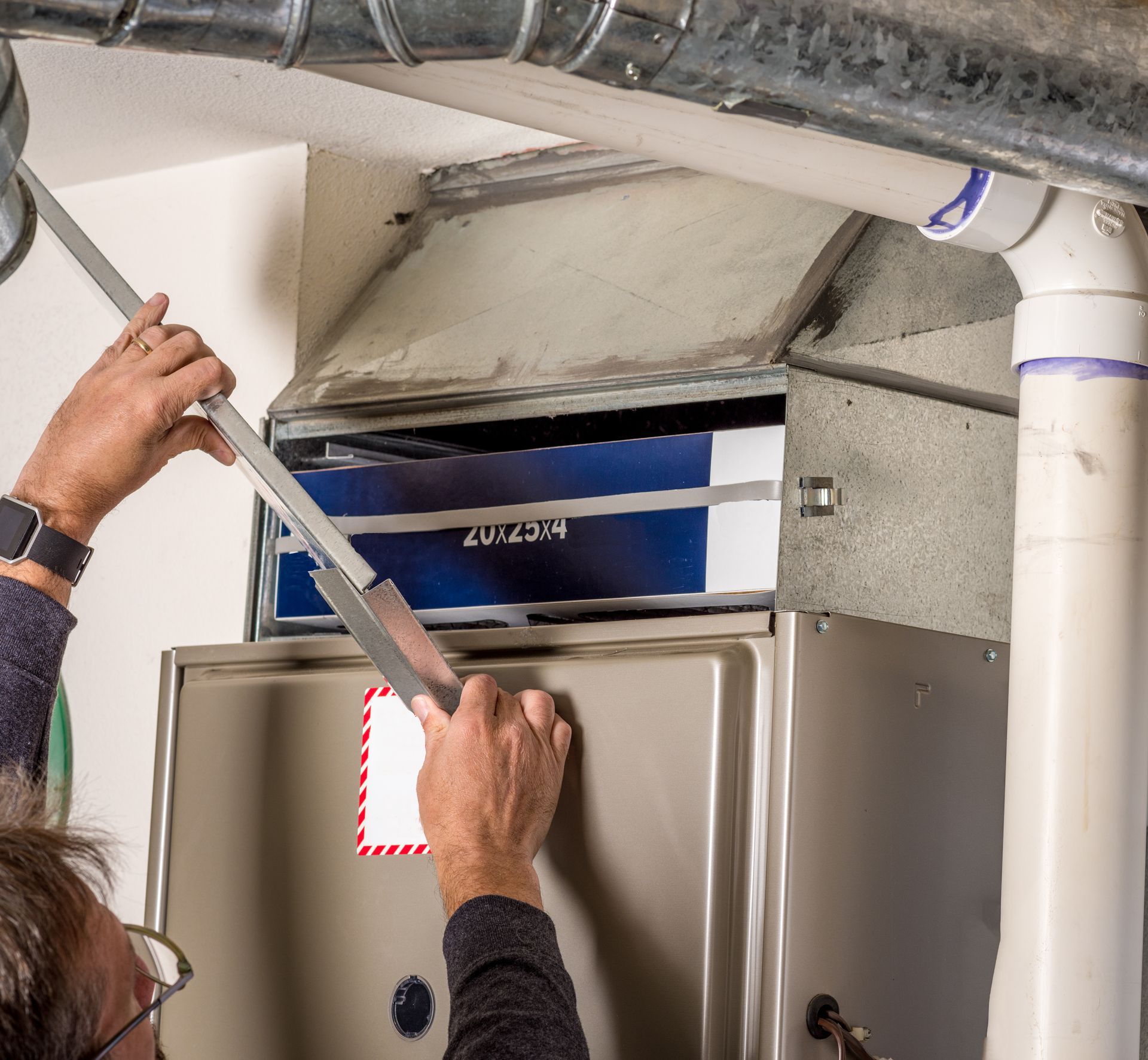

If you have lived in Gresham for more than a few years, you already know the climate has changed. Summers that once felt mild and manageable now bring oppressive heat waves. Late-summer air carries the smell of smoke from distant wildfires. And every month, your energy bill seems to creep a little higher. For local homeowners, these are not abstract concerns; they are daily realities that your home's heating and cooling system either handles well or fails to address at all.
FTM Heating and Cooling works with Gresham and Portland metro homeowners every season to solve exactly these problems. This post breaks down the four biggest HVAC challenges facing our region right now and explains the smartest, most cost-effective solutions available to you in 2025.

1. Cooling Is Now a Health Necessity, Not a Luxury
Many older Gresham homes were built without central air conditioning. For most of the 20th century, that was perfectly reasonable. Pacific Northwest summers were famously gentle. That era is over.
The 2021 Pacific Northwest heat dome was a turning point. Temperatures shattered records across the region and claimed over 100 lives in Oregon alone. Since then, state and local leaders have stopped treating air conditioning as optional. Public health officials now classify reliable indoor cooling as a life-safety issue, particularly for elderly residents, young children, and people with chronic health conditions.
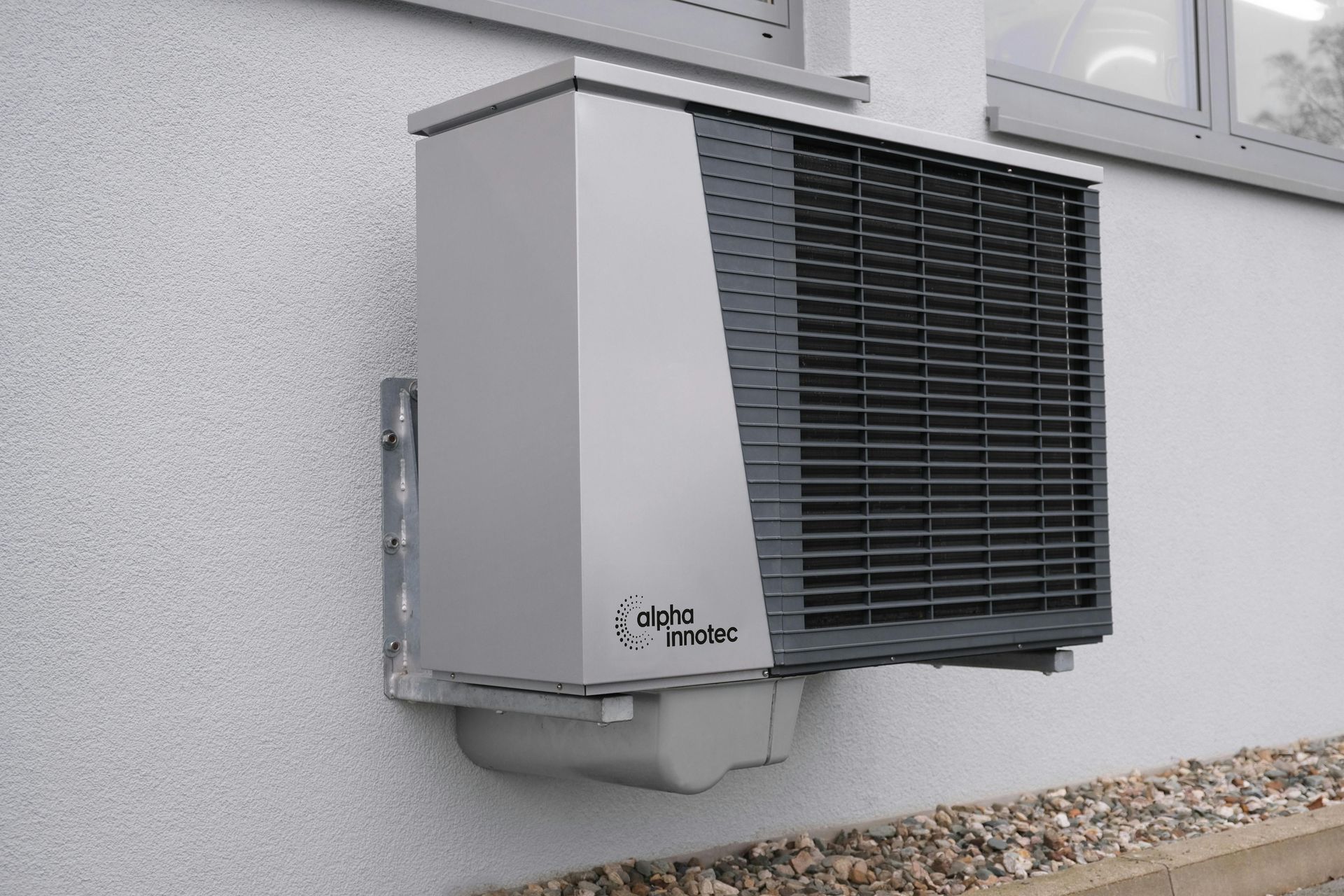
The good news is that the technology has improved dramatically. Homeowners are no longer forced to choose between a costly central air installation and a noisy window unit. Modern
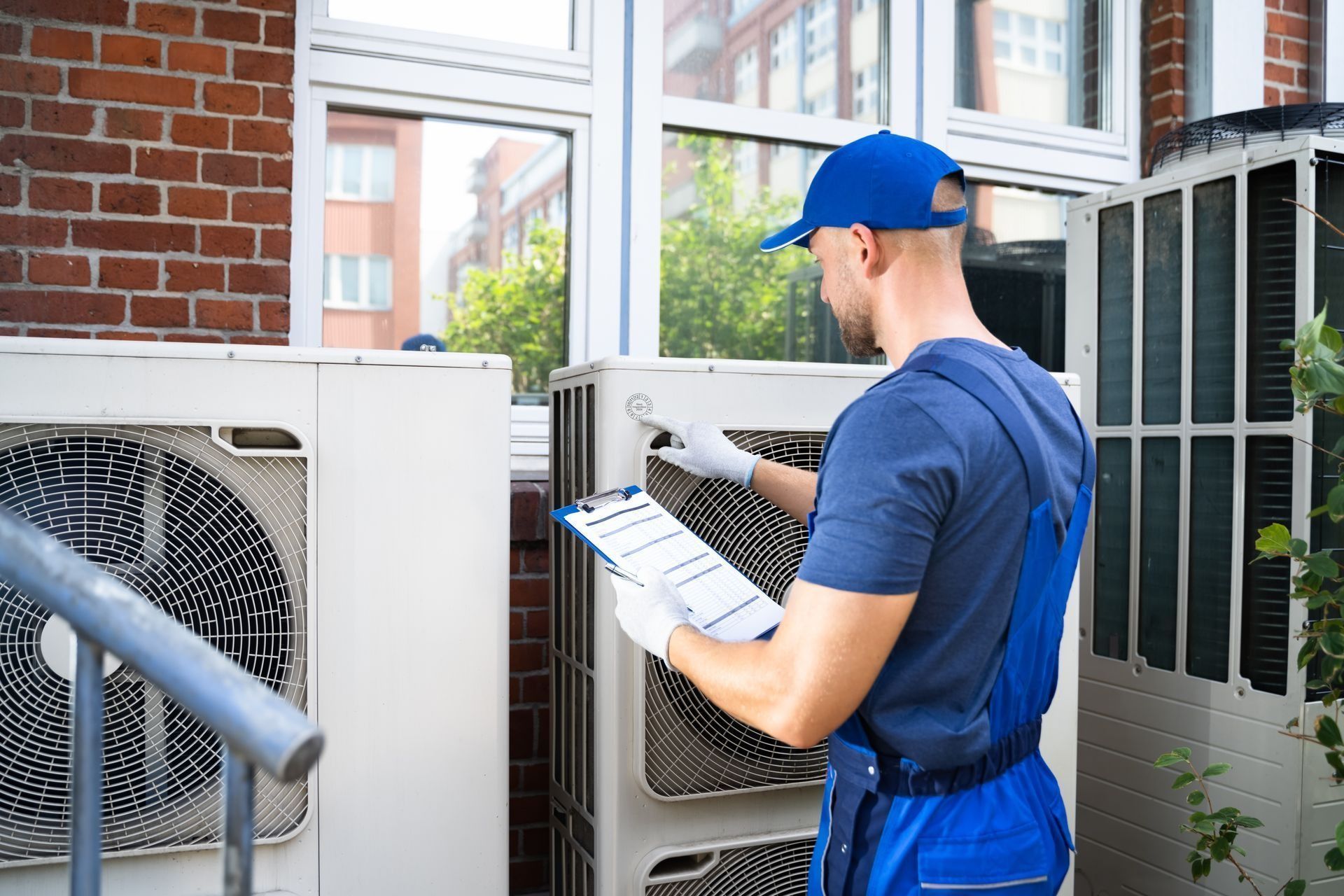
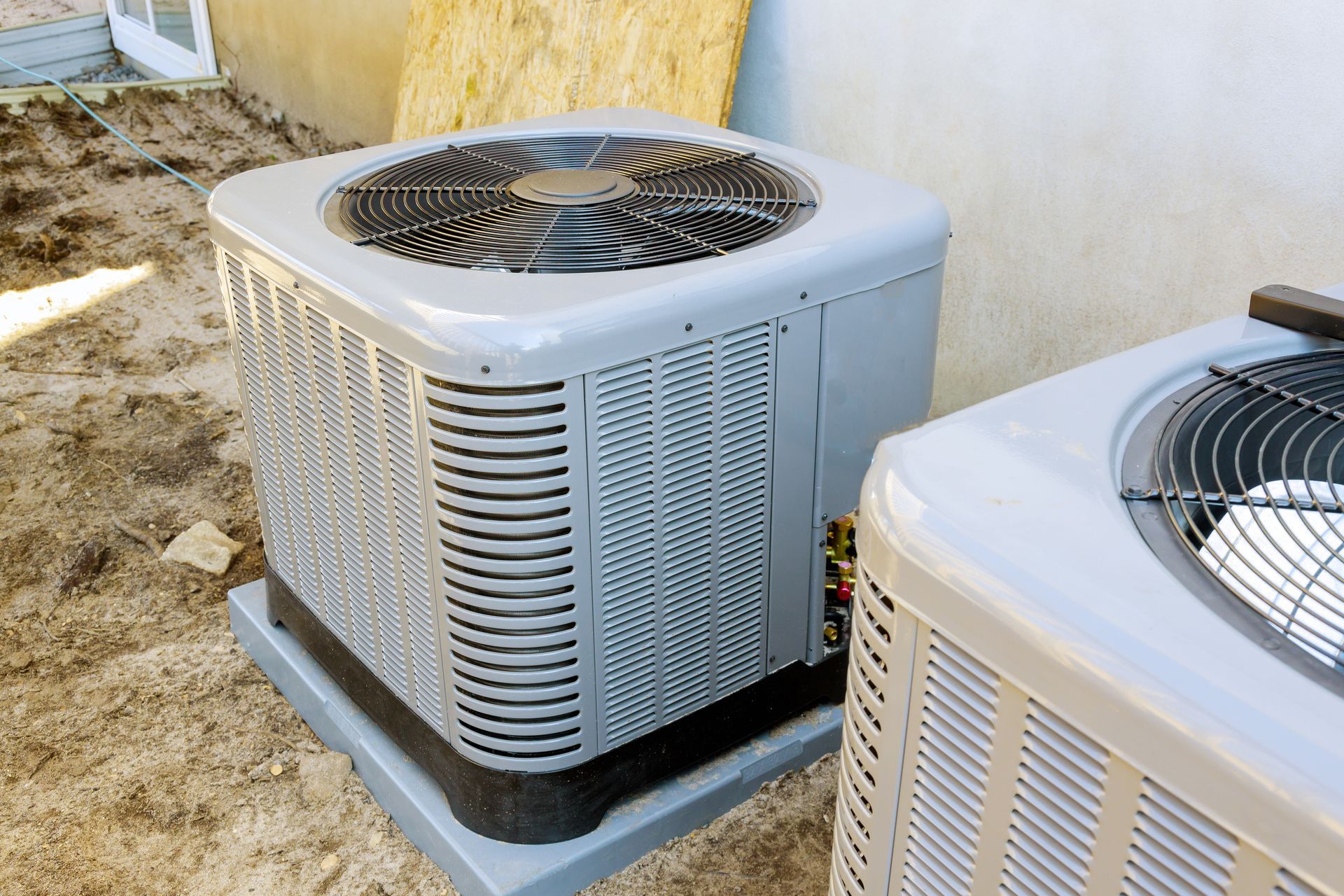
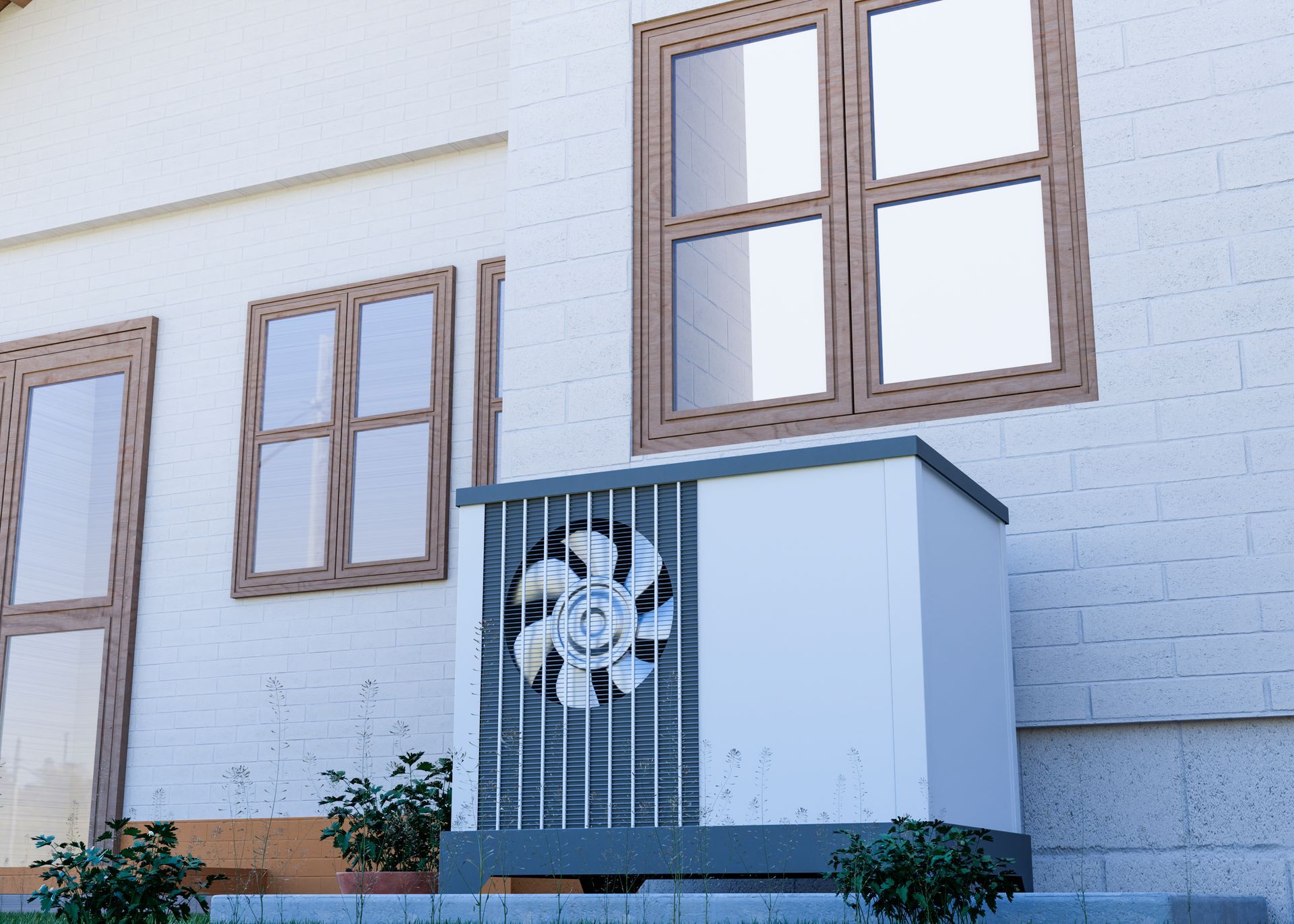
heat pump services in Gresham OR offer a single, highly efficient system that both heats and cools your home year-round. Ductless mini-split systems are another strong option for homes that lack existing ductwork, delivering targeted cooling and heating to specific rooms without major renovation.
2. Wildfire Smoke Gets Inside Your Home Whether You Know It or Not
Every August and September, wildfire smoke from across the Pacific Northwest descends on Gresham. Most homeowners instinctively shut their windows and doors, assume they are safe, and wait it out. Unfortunately, research tells a different story.
Without proper filtration in place, indoor PM2.5 levels (the microscopic toxic particles found in wildfire smoke) can nearly triple during heavy smoke events. Smoke infiltrates through tiny gaps around window frames, under doors, through standard ventilation pathways, and even through your HVAC system itself if it is pulling in unfiltered outdoor air.
Standard fiberglass furnace filters, the inexpensive ones sold in bulk at hardware stores, are designed to catch large dust particles. They do almost nothing to stop smoke-sized particulate matter. The fix is straightforward but requires an intentional upgrade:
- MERV 13 filters are the minimum recommended rating during wildfire season. They trap fine particles that standard filters miss entirely.
- Whole-home UV air purifiers and in-duct air scrubbers go further, actively neutralizing smoke particles, allergens, pollen, and even airborne pathogens before the air circulates through your living spaces.
If anyone in your household has asthma, allergies, or respiratory sensitivities, this is not a minor upgrade; it is a meaningful quality-of-life and health improvement.
3. The Best Financial Window to Upgrade Is Right Now
HVAC equipment is a significant investment, and many homeowners put off replacements because of the upfront cost. In 2025, however, the financial landscape has shifted dramatically in favor of upgrading sooner rather than later.
Through the Federal Inflation Reduction Act and regional programs administered by the Energy Trust of Oregon (which works alongside local utilities like PGE and NW Natural), Gresham residents can currently access:
- Up to $3,000 in rebates for qualifying heat pump installations
- Up to $100 off smart thermostats, which can reduce monthly energy bills by automatically learning and optimizing your heating and cooling schedule
These incentives stack, meaning a properly qualified installation can offset a significant portion of your total project cost. Working with a local contractor who understands how to navigate these programs as a certified trade ally is the most reliable way to capture every dollar available to you.
4. Wet Gresham Winters Create Hidden Indoor Air Problems
While summer gets most of the attention, Gresham's wet, gray winters bring their own set of HVAC challenges. Modern energy-efficient homes are sealed tightly, which is great for keeping heat in but terrible for air quality and moisture management.
Daily household activities like cooking, showering, running the dishwasher, and doing laundry introduce enormous amounts of moisture into a sealed home. That trapped humidity makes the air feel colder and damper than it actually is, which causes many homeowners to crank up the thermostat unnecessarily. Over time, excess indoor humidity also leads to mold growth, mildew, musty odors, and structural damage to wood framing and finishes.
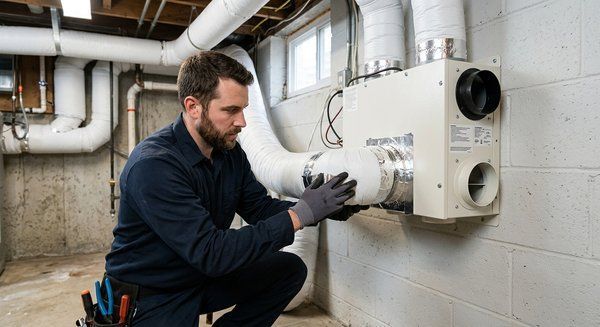
The solution is not simply running your furnace harder. Energy Recovery Ventilators (ERVs) and whole-home dehumidifiers address the root cause. ERVs exhaust stale, humid indoor air and draw in fresh outdoor air that has been pre-filtered and pre-tempered, so you are not sacrificing your home's heat in the process. The result is cleaner, drier, fresher air all winter long without driving up your heating bill.
Ready to Make Your Gresham Home More Comfortable, Safe, and Energy-Efficient?
Whether you are dealing with summer heat, wildfire smoke, damp winter air, or a furnace that has seen better days, the right HVAC upgrade can solve multiple problems at once and pay for itself faster than you might expect. The combination of current rebate programs and modern, efficient equipment makes this one of the best times in recent memory to invest in your home's comfort systems.
Frequently Asked Questions
How do I know if my home needs a heat pump or a traditional furnace replacement?
If your home currently relies solely on electric baseboard or wall heaters, or if you have an aging gas furnace and no cooling system, a heat pump is almost certainly the smarter investment. It handles both heating and cooling in one unit and qualifies for significant rebates. A local HVAC technician can assess your current setup and give you a clear recommendation based on your home's size, insulation, and existing ductwork.
Are MERV 13 filters safe to use in any furnace or air handler?
MERV 13 filters are effective but do create more airflow resistance than lower-rated filters. Some older or smaller HVAC systems may not have a blower motor powerful enough to pull air through them efficiently, which can reduce system performance or cause overheating. Before upgrading your filter rating, ask your HVAC technician to confirm your system can handle the increased resistance.
How long does a ductless mini-split installation typically take?
Most single-zone ductless mini-split installations are completed in one day. Multi-zone systems covering several rooms may take one to two days depending on the complexity of the installation and the layout of your home.
What is the difference between an ERV and a whole-home humidifier or dehumidifier?
An ERV (Energy Recovery Ventilator) focuses on ventilation: it exchanges stale indoor air for fresh outdoor air while recovering most of the heat in the process. A whole-home dehumidifier specifically targets moisture levels in the air already inside your home. Many Gresham homeowners benefit from both systems working together, especially in tightly sealed, energy-efficient homes.
Does FTM Heating and Cooling help with rebate paperwork?
Yes. Working with a qualified local contractor who understands Energy Trust of Oregon programs and federal tax credit requirements is one of the most effective ways to make sure you capture every available incentive on your upgrade.