
Heat recovery ventilation is one of the most effective ways Gresham homeowners can fight mold, trapped moisture, and stale air without losing their heating dollars. If your windows fog up every winter, your home smells musty, or your family deals with persistent allergy symptoms indoors, your house may be too airtight for its own good.
FTM Heating and Cooling helps Gresham and Greater Portland Area homeowners solve this exact problem every season. This guide explains why HRV systems matter here specifically, what signs to watch for, and how the technology actually works.
Why Gresham Homes Trap Too Much Moisture
Gresham winters are relentless. Cold rain, gray skies, and persistent dampness define the season from November through March. That climate alone introduces moisture into your home from the outside.
But here is the bigger issue. Modern energy codes push contractors to build and retrofit homes with extremely tight envelopes. Tight construction is great for your heating bill. It is terrible for air circulation.
Every shower, pot of boiling water, and even your family's breathing adds water vapor to that sealed indoor air. With nowhere to go, humidity builds up fast. The result is condensation on windows, damp corners, and eventually mold growth behind walls or under flooring.
What HRV Systems Actually Do
A Heat Recovery Ventilator continuously pulls stale, moisture-laden indoor air out of your home and replaces it with fresh outdoor air. That much is straightforward. The smart part is what happens in between.
The system captures the heat from the outgoing warm air. It then transfers that heat to the incoming cold outdoor air before it ever enters your living space. Your furnace does not have to work nearly as hard to maintain comfortable temperatures.
Think of it as a continuous, controlled breath for your house. Stale air leaves. Fresh air enters. Heat stays inside where it belongs.
Signs Your Gresham Home Needs Heat Recovery Ventilation
Not every home shows obvious mold or puddles. Watch for these subtler warning signs:
- Condensation or frost forming on the interior side of windows in winter
- A persistent musty or stale odor, especially in bathrooms or bedrooms
- Humidity levels that feel clammy even with the heat running
- Worsening allergy or asthma symptoms during the colder months
- Paint or drywall showing bubbling, warping, or discoloration near exterior walls
- Mold spots appearing on grout lines, ceilings, or window frames
Any one of these signs points to a ventilation problem. Two or more together suggest it is already affecting your home's structure and your family's health.
HRV vs. Cracking a Window: Why It Is Not the Same
Some homeowners assume they can solve the moisture problem by simply cracking a window. This approach has serious drawbacks. In Gresham's winter, you are letting in cold, wet outdoor air. There is zero control over temperature or humidity levels. Your furnace then burns more fuel to compensate.
An HRV system gives you precision. It exchanges air at a controlled rate, filters incoming air, and recaptures heat energy that a cracked window throws away entirely. During wildfire smoke season, this difference becomes critical. Health agencies recommend at minimum MERV 13 filtration during smoke events. A properly configured HRV setup can incorporate that level of filtration into every breath your home takes.
How HRV Works with Your Existing Furnace
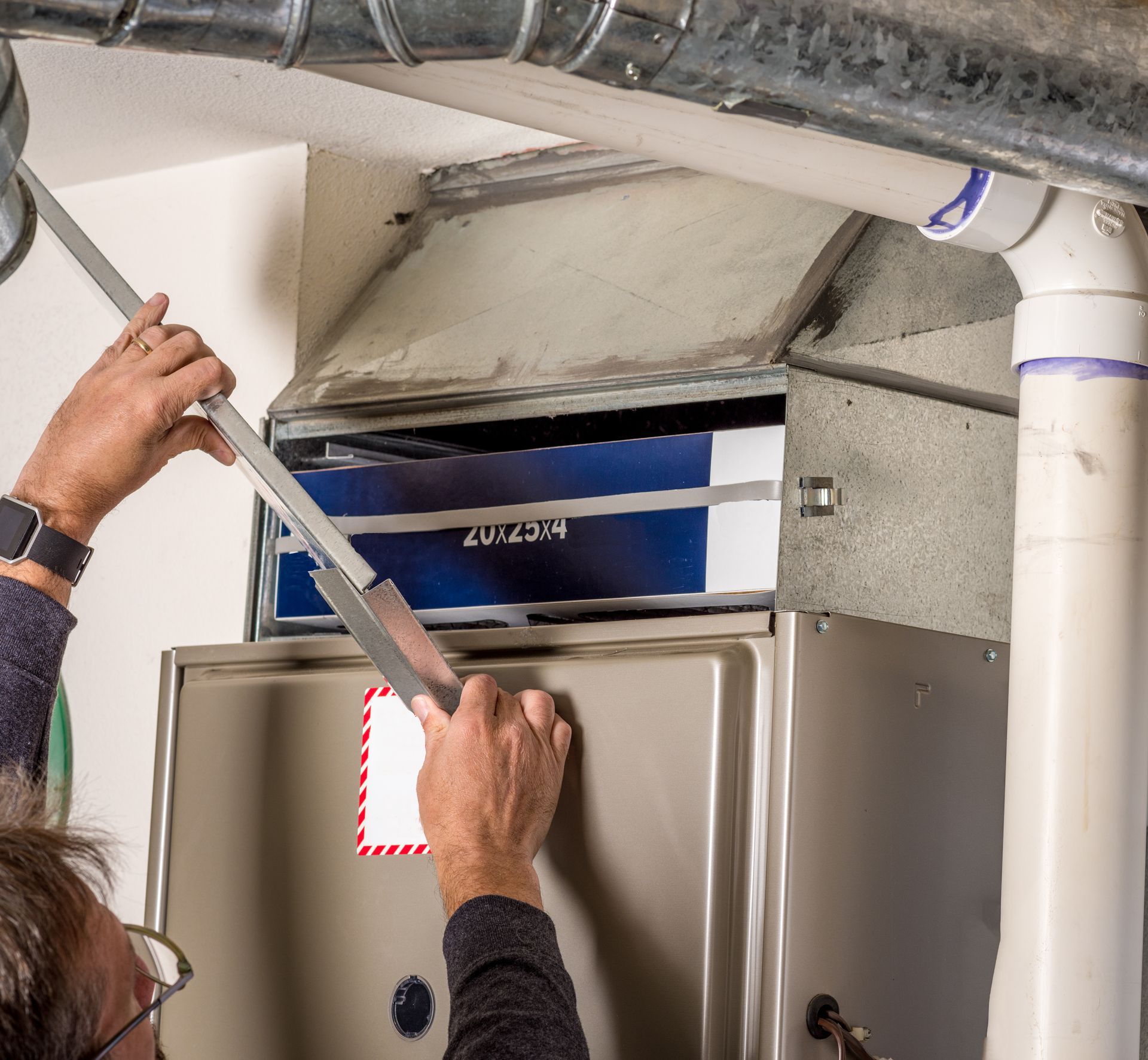
One of the most common questions homeowners ask is whether an HRV system requires replacing their furnace. It does not. A heat recovery ventilation system integrates with your existing ductwork and heating equipment. It complements what you already have rather than replacing it.
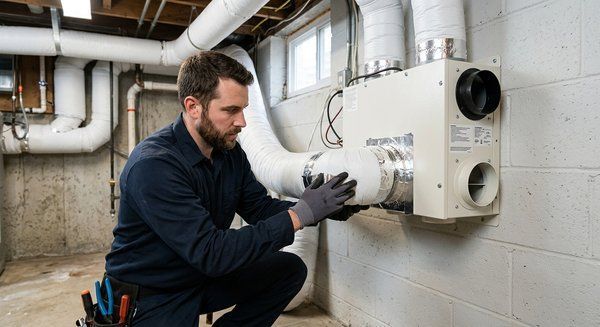
The HRV unit itself is typically installed in a utility space, basement, or mechanical room. Dedicated intake and exhaust ducts connect it to the outside. The system operates quietly on its own schedule, or you can adjust its run time based on occupancy and season.
Pairing an HRV with a high-efficiency furnace creates a complete comfort system. Fresh air comes in pre-warmed. Your furnace handles the final temperature adjustment. Moisture levels stay balanced year-round.
The Long-Term Cost of Ignoring Ventilation
Mold remediation is expensive. Structural repairs from moisture damage cost even more. Beyond the financial side, poorly ventilated homes put real respiratory strain on children, elderly residents, and anyone dealing with asthma or allergies.
Gresham's climate is not going to get drier. Energy codes are not going to loosen. Homes built or updated to current efficiency standards will keep getting tighter. Investing in proper mechanical ventilation now is far less expensive than dealing with the damage that poor ventilation causes over time.
HRV systems also carry a side benefit many homeowners do not consider: they can reduce odors from cooking, pets, and everyday life by continuously cycling fresh air through the home. Comfort improves in ways you notice every single day.
Gresham homeowners dealing with winter moisture, mold concerns, or stuffy indoor air do not have to just live with the problem. Reach out to the team at FTM Heating and Cooling Services to schedule a consultation and find out whether a heat recovery ventilation system is the right fit for your home.
Frequently Asked Questions
How often does an HRV system need maintenance?
Most HRV systems require filter cleaning or replacement every three to six months, depending on local air quality. Core and fan components typically need professional inspection once a year.
Will an HRV system make my home too dry in winter?
No. HRV systems are designed to balance humidity, not strip it. They remove excess moisture while retaining enough to stay within a comfortable range for most households.
Can an HRV system help with wildfire smoke?
Yes, when paired with appropriate high-efficiency filters. During smoke events, the system can be configured to limit outdoor air intake and recirculate filtered air, reducing PM2.5 exposure indoors.
Is an HRV system the same as an ERV system?
They are similar but not identical. An Energy Recovery Ventilator (ERV) also transfers some humidity between air streams, which can be beneficial in drier climates. For wet Pacific Northwest winters, an HRV is typically the better choice because it exhausts excess moisture rather than retaining it.
How long does HRV installation take?
A standard residential HRV installation typically takes one to two days, depending on the home's existing ductwork layout and the complexity of the installation location.

Hotter Summers, Smoky Air, and Rising Bills: Why Gresham Homeowners Are Upgrading Their HVAC in 2026